Look, when you're raising five kids and trying to keep your own brain from fraying at the edges, searching for vitamin d foods for depression isn't just about abstract nutrition—it's about surviving the Tuesday morning fog with your sanity intact.
Let’s be honest about what it feels like to be deep in the postpartum trenches—or just living life as a thoroughly exhausted mother of five. Your sleep is fragmented, your nervous system is humming at a permanent high-alert pitch, and that heavy, gray fog rolls in around 2:00 PM, whispering that you are failing at absolutely everything. I’ve been there. Five times over, I’ve walked through that fog, wondering why my mood felt so brittle and unmanageable.
When we look at the science of nutritional psychiatry, things start to click into place. Our brains are not separate from our bodies; they are high-energy organs that require very specific chemical building blocks to function. That is why looking into vitamin d foods for depression is so vital, especially for mothers. Vitamin D isn't just a vitamin for our bones—it acts as a neurosteroid receptor activator in areas of the brain heavily tied to mood regulation. When our levels plummet, which happens remarkably easily after growing and birthing a human, our emotional resilience takes a direct hit.
If you want to go deeper on the science, I keep a plain-English library here: Vitamin D and Best Foods.
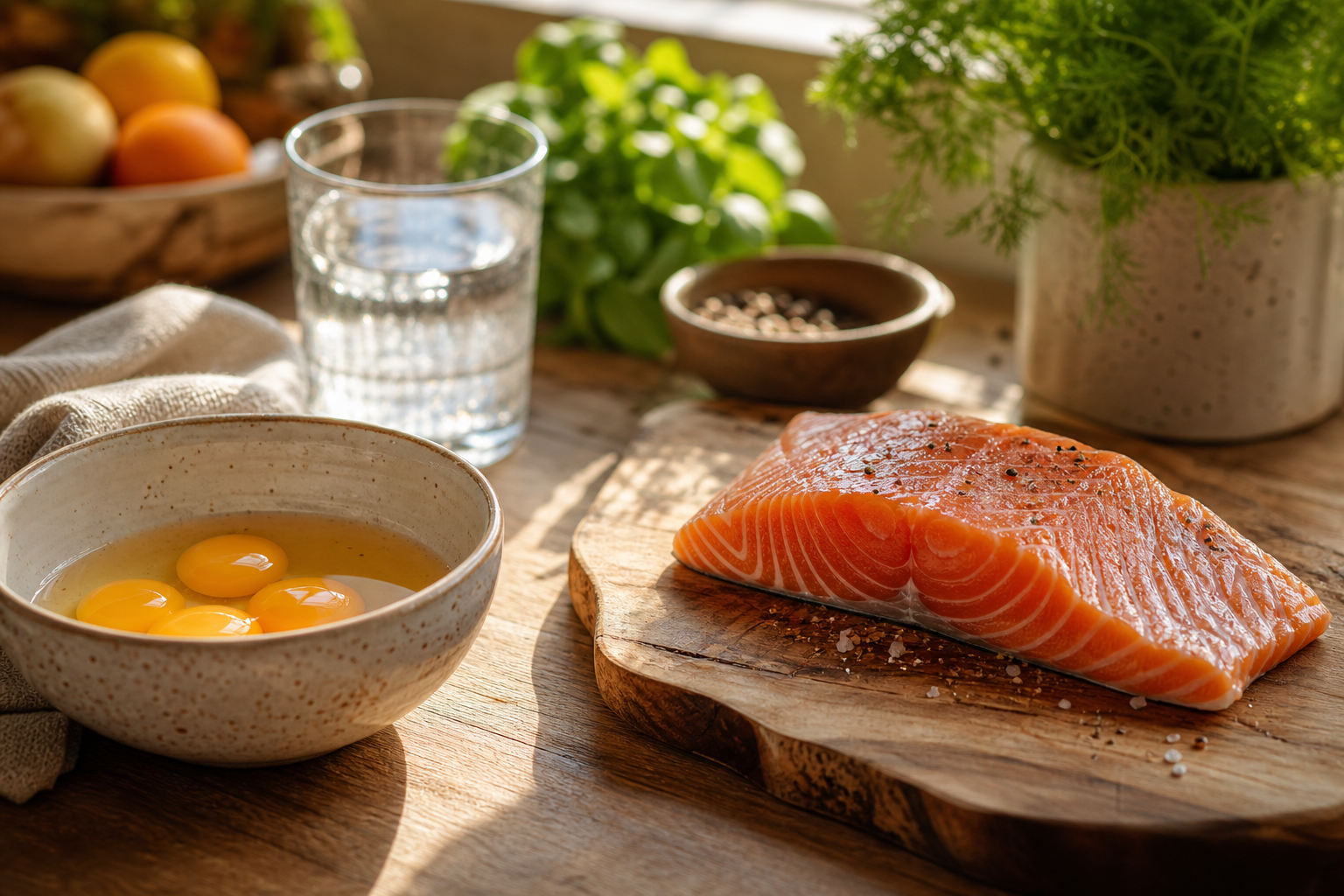
So how do we fight back using our kitchen? I call my favorite morning combination the holy trinity of postpartum and mood support: pastured egg yolks, wild-caught salmon, and a deliberate pause in the morning sunshine. It sounds almost too simple to be true, but the biology is fascinating.
Pastured egg yolks are literal gold mines. They pack bioavailable vitamin D, choline for brain cell repair, and B12, all of which work synergistically to support neurological health. Meanwhile, wild-caught salmon brings heavy-hitting omega-3 fatty acids (EPA and DHA) to the table. Landmark clinical trials, like the SMILES trial published back in 2017, have shown that improving diet quality with anti-inflammatory whole foods can have a profound impact on depressive symptoms. Omega-3s help cool down neuroinflammation, which is increasingly recognized as a major driver in mood disorders. When you pair those healthy fats with the fat-soluble vitamins found in rich egg yolks, you are essentially handing your brain the exact raw materials it needs to manufacture and balance feel-good neurotransmitters.
Don't stress over complicated cooking on a Tuesday morning. Keep a few cans of wild-caught pink or sockeye salmon in your pantry. Flaking a little into your morning scrambled eggs gives you all the mood-boosting omega-3s with zero prep time and zero dishes to cry over.
I have to pause here and put on my responsible-educator hat, because this matters deeply to me. As much as I believe in the power of a butter-basted egg yolk and a piece of skillet salmon, food is a supportive tool—not a magic wand. If you are struggling with postpartum depression, severe anxiety, or a persistent dark cloud that won't lift no matter how many eggs you eat, please hear me: you need more than breakfast.
Maternal mental health is complex. Hormones shift, thyroids crash, trauma surfaces, and sometimes our neurochemistry needs professional intervention, medication, therapy, or community care. There is zero shame in that. In fact, recognizing that you need backup is the strongest thing you can do. Let your breakfast support your healing, but let doctors, therapists, and supportive loved ones help carry the weight. You were never meant to do this alone.
Getting sunshine into the mix sounds hilarious when you have five children screaming about missing shoes and spilled oatmeal. Trust me, I know the logistical nightmare of dragging a toddler, a preschooler, and three older kids out the door just to get five minutes of UV exposure. But even stepping onto the back porch with your morning coffee for two minutes while the kids argue about who gets to pet the dog makes a difference.
We need natural sunlight to help synthesize vitamin D in our skin, aligning our circadian rhythms and signaling to our nervous system that a new day has started. Combine those morning rays with a breakfast rich in nourishing fats and proteins, and you’ve given your body a fighting chance against the daily overwhelm. Be gentle with yourself, mama. Feed your body well, step into the light when you can, and always remember to ask for help when the shadows get too heavy.
This is exactly the kind of warm, mood-supporting cooking I built into The Sitting Month recovery course — done-for-you meal plans for the fourth trimester, so a new mom never has to figure it out at 3am.
No, absolutely not. While nourishing your body with nutrient-dense foods like salmon and egg yolks provides foundational support for your brain, food is not a cure for clinical depression or postpartum mood disorders. If you are experiencing persistent sadness, anxiety, or intrusive thoughts, please reach out to a healthcare provider or a specialist. You don't have to carry it alone.
Egg yolks are nutritional powerhouses for the brain. They contain vitamin D, choline (vital for neurotransmitter function), B vitamins, and healthy fats that help regulate inflammation and support cellular health in the nervous system. Skipping the yolk means missing out on the most nutrient-dense part of the egg!
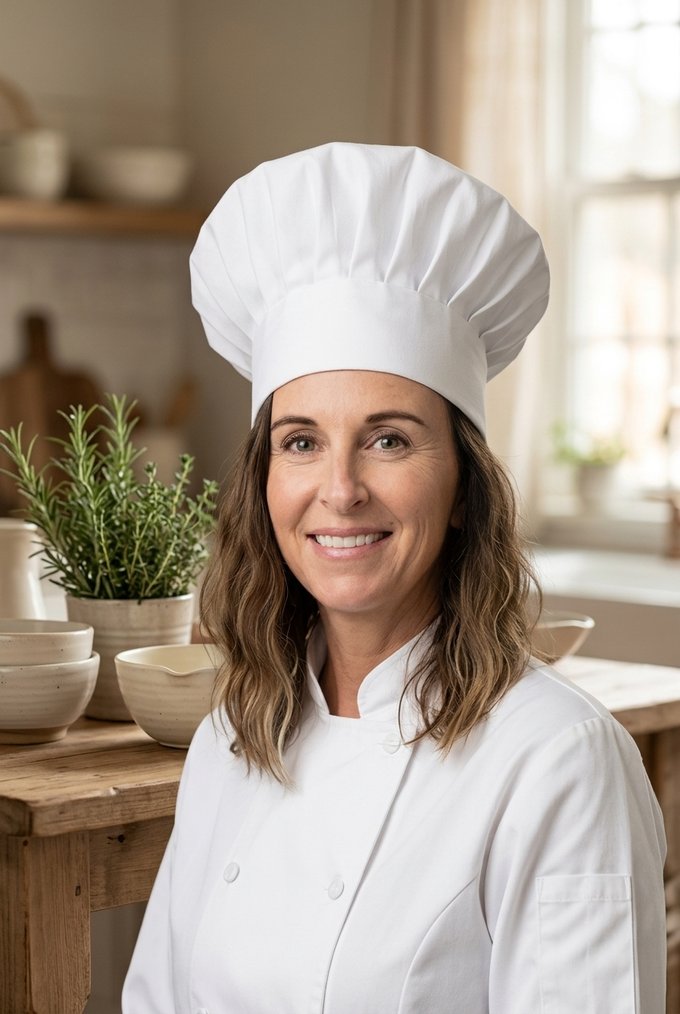
Emily is a chef, mother of five and postpartum-recovery educator who revives the 2,000-year-old zuo yuezi ("sitting month") tradition for modern mothers. Her signature, food-first method helps women rebuild after birth and ease postpartum depression — and she now certifies doulas and midwives to cook it for their own clients.
The Sitting Month recovery course delivers these mood-supporting foods in warm, done-for-you meal plans built for the postpartum brain.
See the recovery course