When my fifth baby arrived, the bone-deep exhaustion felt different from the usual newborn blur—it was a heavy, grey fog that only started to lift once I finally began prioritizing iron rich foods postpartum.
If you told me after baby number five that I was just experiencing normal newborn sleep deprivation, I probably would have cried into my lukewarm coffee cup. Yes, waking up every two hours with a tiny human is exhausting, but this was different. This was a grey, sluggish paralysis. I couldn't remember why I had walked into the kitchen, my words felt trapped behind wool in my mouth, and a pervasive, heavy sadness settled into my bones that no amount of positive thinking could shake.
It took a routine postpartum checkup and a gentle, observant midwife to ask the question nobody else was asking: "Emily, how much blood did you lose, and when was the last time you checked your ferritin?" As it turns out, childbirth is a major medical event involving significant blood loss. When your iron stores plummet, your body simply cannot deliver enough oxygen to your brain and tissues. My postpartum fog wasn't just a psychological hurdle—it was a cellular cry for help.
If you want to go deeper on the science, I keep a plain-English library here: Postpartum and Vitamin D.
In the world of nutritional psychiatry, we talk a lot about omega-3s and gut health, but iron is the unsung hero of maternal cognitive function. Iron is essential for hemoglobin production, which carries oxygen through your bloodstream. But crucially for new mothers, iron is also a required cofactor for synthesizing key neurotransmitters like dopamine, norepinephrine, and serotonin.
When your iron stores (ferritin) are depleted from pregnancy and delivery, your brain literally lacks the raw materials to regulate mood and maintain sharp focus. Studies consistently show that postpartum iron deficiency anemia is heavily linked to elevated rates of fatigue, anxiety, and depressive symptoms. You can meditate, journal, and sleep when the baby sleeps all you want, but if your iron tank is empty, your neurological engine is sputtering on fumes.
Cook your broths and stews in a well-seasoned cast-iron pot. It is an old-school trick, but scientific studies confirm that cooking iron-rich ingredients in cast iron can significantly increase the bioavailable iron content of your meal.
Once I understood the science, my kitchen transformed into a recovery lab. I stopped relying on bland, white-toast postpartum meals and began intentionally building my daily menu around iron rich foods postpartum. I learned the difference between heme iron (found in animal proteins like beef, lamb, and organ meats, which our bodies absorb with ease) and non-heme iron (found in plant sources like lentils, beans, and dark leafy greens).
To maximize absorption, I started pairing my iron sources with vitamin C powerhouses—squeezing fresh lemon over my spinach, tossing bell peppers into my lentil stews, and simmering rich broths with traditional ingredients that have supported mothers for centuries. Traditional cultures across the globe instinctively knew what modern science is now proving: postpartum recovery requires warming, iron-dense, blood-building foods to restore a mother's vitality.
I want to be very clear, mama: while nourishing your body with nutrient-dense food is a foundational pillar of healing, food is not a medical cure-all. Postpartum mood disorders are complex, biological, and entirely valid. If you are experiencing persistent feelings of hopelessness, severe anxiety, or intrusive thoughts, please reach out to your OB/GYN, midwife, or a maternal mental health specialist. You do not have to white-knuckle your way through postpartum depression alone, and asking for professional medical support is one of the bravest, most loving things you can do for your family.
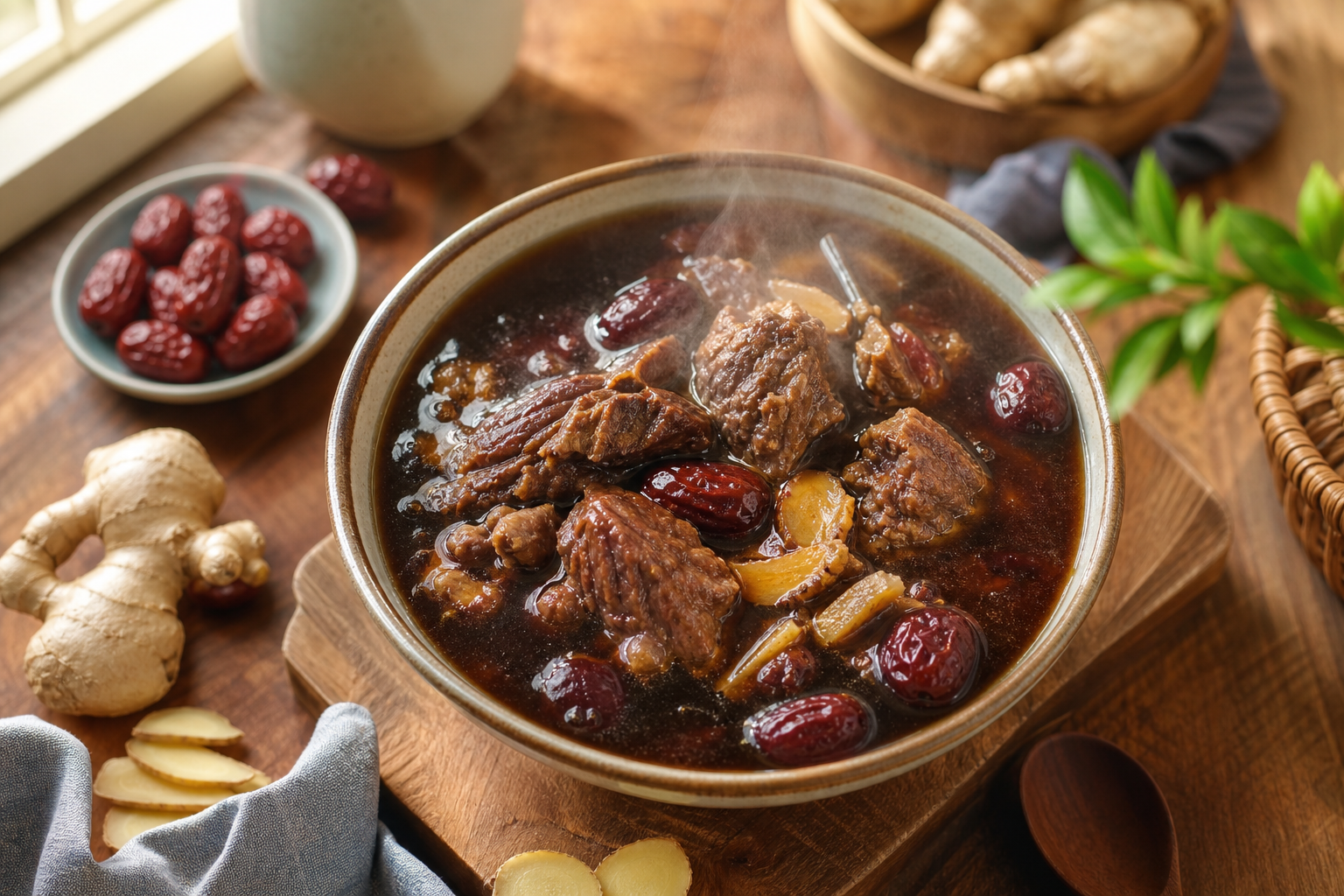
A deeply nourishing, slow-simmered soup loaded with heme iron, warming spices, and traditional blood-building red dates to help new mothers recover from childbirth.
This is exactly the kind of warm, mood-supporting cooking I built into The Sitting Month recovery course — done-for-you meal plans for the fourth trimester, so a new mom never has to figure it out at 3am.
While red meat offers the most easily absorbable heme iron, you can absolutely recover iron levels with plant-based (non-heme) options like lentils, spinach, pumpkin seeds, and blackstrap molasses. Just be sure to pair them with vitamin C—like a squeeze of lemon juice or bell peppers—to drastically boost your body's ability to absorb the iron.
It is notoriously hard to tell the difference because exhaustion is the universal currency of early motherhood. However, if your fatigue is accompanied by dizziness when standing up, pale nail beds, hair shedding beyond the usual postpartum loss, shortness of breath, or a feeling of coldness in your hands and feet, it is very likely iron deficiency anemia. Ask your doctor for a complete blood count and a ferritin test at your six-week checkup.
In traditional Chinese postpartum care, dried red dates (jujubes) are a staple because they are believed to nourish the blood, restore vital qi, and calm the spirit. Modern science shows they are rich in vitamin C, antioxidants, and trace minerals that support overall recovery and immune function. Plus, they add a comforting, natural sweetness to savory broths.
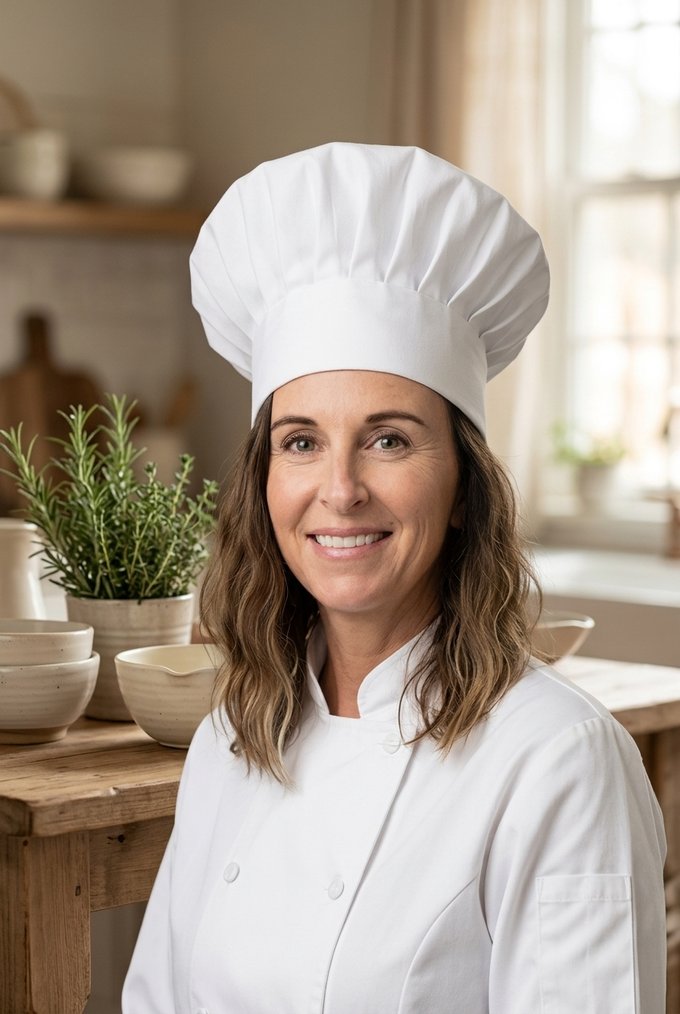
Emily is a chef, mother of five and postpartum-recovery educator who revives the 2,000-year-old zuo yuezi ("sitting month") tradition for modern mothers. Her signature, food-first method helps women rebuild after birth and ease postpartum depression — and she now certifies doulas and midwives to cook it for their own clients.
The Sitting Month recovery course delivers these mood-supporting foods in warm, done-for-you meal plans built for the postpartum brain.
See the recovery course