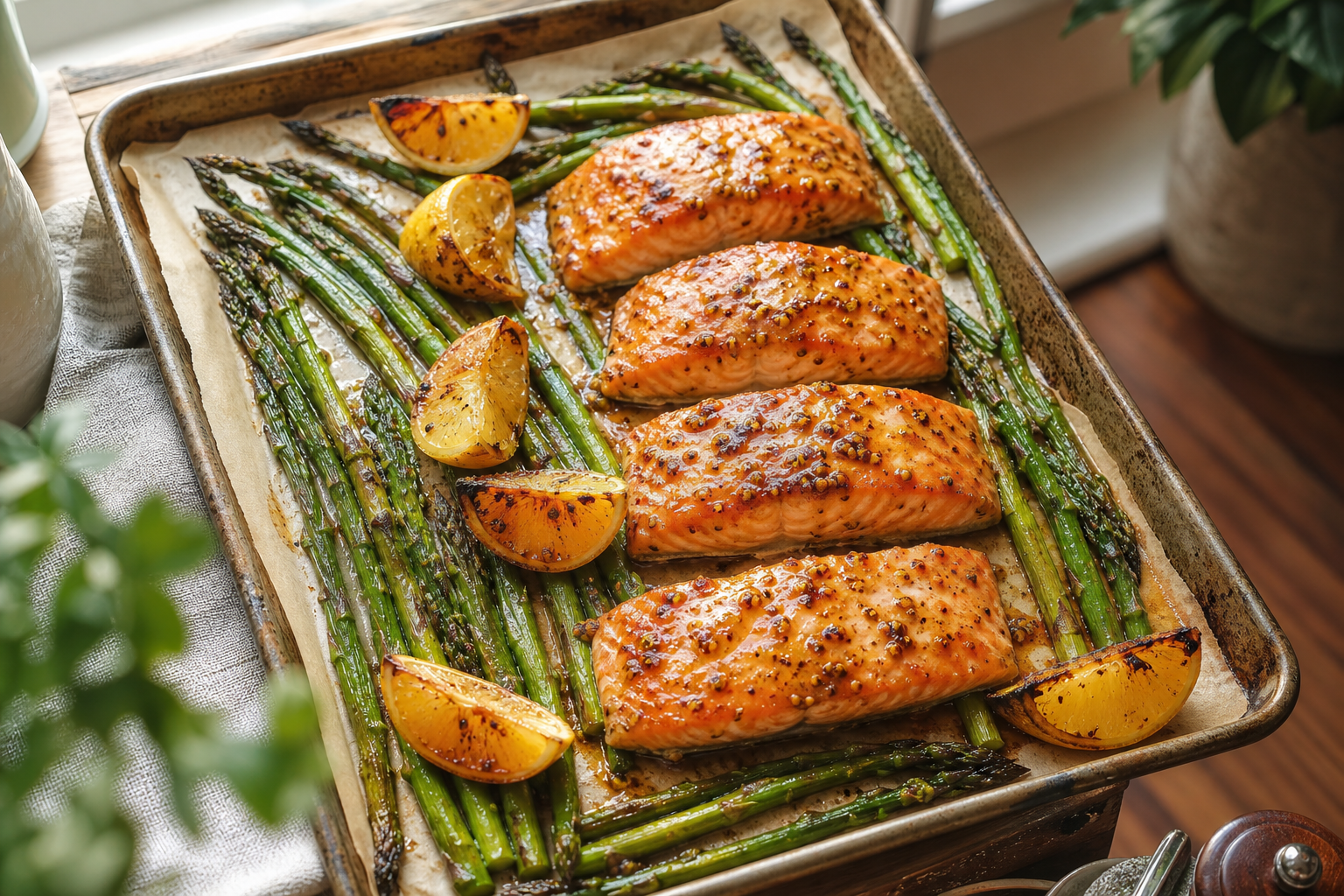
When the world feels heavy and my five kids are running circles around the kitchen island, this reliable salmon recipe for depression is my absolute go-to anchor when I need a meal that requires zero emotional bandwidth.
Let us clear the air right out of the gate: food is not a magic wand, and a piece of fish is never going to replace a licensed therapist, a supportive doctor, or clinical mental healthcare. If you are navigating persistent depression, deep despair, or postpartum mood disorders that feel heavy and unyielding, please give yourself permission to seek professional help. You do not have to White-knuckle your way through it alone.
That being said, nutritional psychiatry is showing us fascinating things about how what we put on our plates talks directly to our brains. As a chef and a mother of five who has lived through the trenches of postpartum depletion and burnout, I take immense comfort in knowing that nourishment can be a tangible act of self-kindness. When we talk about omega-3 fatty acids—specifically EPA and DHA found in abundance in fatty fish like salmon—we are looking at the most extensively studied nutrient class in mood research.
Research published in journals like the American Journal of Psychiatry highlights how omega-3s help regulate neurotransmitter pathways, reduce low-grade neuroinflammation, and fluidize neuronal cell membranes so chemical signals can zip back and forth more efficiently. When your brain is swimming in the fog of a hard week, giving it the building blocks it actually craves is one small, gentle way to support your healing.
If you want to go deeper on the science, I keep a plain-English library here: Vitamin D and Best Foods.
If you walked into my house at 5:30 PM on a Tuesday, you would likely find five children ranging in age and volume levels from enthusiastic toddler to opinionated teenager, a pile of laundry mocking me from the couch, and me staring blankly into the refrigerator wondering how I became the designated short-order cook for a tiny, chaotic circus. On weeks when my own emotional battery is running at three percent, the mere thought of boiling pasta, searing chicken, and washing twelve different pots makes me want to weep into the sink.
That is why sheet-pan meals are my religion. This specific salmon recipe for depression requires one pan, one bowl, a pastry brush, and a piece of parchment paper. You chop nothing complicated, you watch no burners, and you create zero chaos. You arrange the fish, toss the greens, brush on a sweet-and-tangy maple-mustard glaze that takes thirty seconds to whisk, and let the oven do 90 percent of the heavy lifting. While it bakes, you can sit on the kitchen floor, stare at the wall, or hug a crying child. The oven timer will ding when dinner is ready.
When you are feeling deeply overwhelmed or sad, please remember that cleanup matters. Line your baking sheet with parchment paper so your only post-dinner chore is tossing it in the trash. Your mental energy is precious—spend it on resting, not scrubbing pans.
When sadness or overwhelm settles into your bones, executive dysfunction is real. Deciding what to eat feels like an insurmountable hurdle of math and logistics. That is why having a mental Rolodex of ultra-simple, nutrient-dense meals is an act of fierce self-preservation. Salmon checks every single box for a heavy week. Alongside those precious omega-3 fatty acids, you get high-quality, easily digestible protein to keep your blood sugar stable—because nothing makes anxiety scream louder than a blood sugar crash after a day of forgetting to eat lunch.
Pairing the salmon with a green vegetable like asparagus or broccoli adds a dose of folate and magnesium, both of which play crucial roles in nervous system regulation and mood support. The sweetness of the maple syrup combined with the punchy tang of Dijon mustard cuts through the richness of the fish in a way that feels comforting and restorative, like a warm hug wrapped in dinner form. You do not need culinary perfection right now; you need ease, warmth, and real food that loves you back.
A comforting, single-pan maple-mustard roasted salmon and asparagus dinner designed to nourish your body and require minimal effort when you are feeling low or overwhelmed.
This is exactly the kind of warm, mood-supporting cooking I built into The Sitting Month recovery course — done-for-you meal plans for the fourth trimester, so a new mom never has to figure it out at 3am.
While food is a powerful tool for supporting brain health and mood, it is not a cure for clinical depression or postpartum depression. If you or someone you love is experiencing persistent sadness, hopelessness, or difficulty functioning, please reach out to a healthcare professional, therapist, or psychiatrist. You do not have to carry it alone.
Absolutely! Just thaw it completely in the refrigerator overnight and pat it very dry with paper towels before seasoning so it roasts nicely without getting soggy.
I feel you—I have five kids, so I know how picky they can get. When I make this, I usually keep a few pieces of salmon plain with just butter and salt for the kids, or I serve the maple-mustard glaze on the side so they can dip if they want to. Zero mealtime battles on hard weeks!
Yes, trout, mackerel, or even sturdy white fish like cod can work, though salmon has the highest concentration of the specific EPA and DHA omega-3s most studied for mood support.
You can mix the glaze in a small jar ahead of time and chop your veggies so all you have to do is assemble and roast when dinner time rolls around.
Because cleanup matters when your mental battery is at 2%. One pan means one thing to wash, which can honestly be the difference between cooking a nourishing meal and ordering takeout for the fourth night in a row.
Standard baking or roasting methods like this one preserve the vast majority of EPA and DHA omega-3 fatty acids, making it a fantastic and bioavailable way to get your nutrients.
Health organizations generally recommend eating about two servings of fatty fish per week as part of a balanced, anti-inflammatory eating pattern.
You can still support your brain health with plant-based omega-3s like flaxseeds, chia seeds, walnuts, and algae oil supplements, though the specific EPA and DHA found in fatty fish are uniquely potent.
Yes! Postpartum nutrient depletion is very real, and getting quality protein, healthy fats, and micronutrients is wonderful for new mothers healing from birth, provided you have no specific seafood allergies or doctor restrictions.
It should easily flake with a fork and turn an opaque pink color throughout. An instant-read thermometer inserted into the thickest part should read 145°F (63°C).
Yes, honey works wonderfully as a direct 1:1 substitute in the glaze if that is what you have in your pantry right now.
A simple bed of warm quinoa, brown rice, or a handful of fresh greens tossed with lemon juice and olive oil pairs beautifully and adds extra fiber.
Nutritional psychiatry explores how what we eat affects brain chemistry, inflammation, and the gut microbiome, all of which play profound roles in how we feel emotionally day-to-day.
Give yourself grace. Toast with nut butter, scrambled eggs, or takeout are completely valid. Nourishment matters, but compassion for yourself matters most.
Lemon juice brightens the dish and cuts through the natural richness of the salmon, balancing the sweet maple and savory garlic notes.
Cooked salmon will keep safely in an airtight container in the refrigerator for up to 2 to 3 days, though it is definitely best enjoyed fresh out of the oven.
Of course! Broccoli florets, green beans, zucchini rounds, or bell pepper strips all roast in the exact same amount of time.
Both types provide great amounts of omega-3 fatty acids. Wild salmon tends to have a slightly leaner texture and deeper flavor, while farmed salmon often has more total fat and omega-3s due to its diet. Choose whichever fits your budget and preference.
Look into researchers like Dr. Felice Jacka or organizations like the International Society for Nutritional Psychiatry Research (ISNPR) for fascinating peer-reviewed studies.
If it gets a little dry, flake it up and mix it into a grain bowl or salad with plenty of extra dressing or a dollop of Greek yogurt to bring back the moisture.
Always line your baking sheet with parchment paper or heavy-duty aluminum foil sprayed lightly with olive oil.
Olive oil provides beneficial monounsaturated fats and polyphenols while helping the vegetables roast evenly alongside the fish.
It is the messy, loud, beautiful reality of raising children—laundry mountains, cold coffee, sticky fingerprints, and fierce, unconditional love.
Chronic low-grade inflammation can interfere with neurotransmitter production and brain function. Eating anti-inflammatory foods helps support the body's natural balance.
Keep it in the coldest part of your refrigerator in its original packaging or wrapped loosely in plastic wrap, and cook it within one to two days of purchase.
A pinch of red pepper flakes or a dash of cayenne in the glaze adds a lovely little kick if you like things spicy!
It hits right during the witching hour when kids are tired, parents are exhausted from the day, and executive function is completely tapped out.
Use compostable parchment paper and serve meals straight from the sheet pan or in bowls so there are fewer plates to wash.
Done is infinitely better than perfect. Feed yourself simply, kindly, and without guilt.
Because food and mental health are intimately connected, and talking honestly about hard days makes us all feel a little less alone in our kitchens.
EPA and DHA help maintain the fluidity of cell membranes in the brain and support chemical signaling between neurons, influencing mood regulation.
Yes, absolutely! Just use two baking sheets so the food has room to roast rather than steam.
That taking care of yourself matters, food is a gentle tool for comfort, and you are never alone in the heavy weeks.
Check out the rest of the blog or subscribe to my weekly newsletter for practical, sanity-saving meals designed for real family life.
When it requires minimal effort, tastes delicious, and nourishes your body when you need it most.
Just a standard sheet pan, parchment paper, and a small bowl for the glaze. That is it!
Magnesium supports nervous system regulation and muscle relaxation, which can feel deeply soothing when stress levels run high.
Sheet pans are your best friend in a small kitchen because everything cooks in one footprint with zero stove-top crowding.
Fresh asparagus works best for roasting because frozen veggies tend to release too much water and turn mushy in the oven.
Lower your expectations, ditch the screens, and focus on connection over table manners on hard days.
Whole grain mustard or Dijon mustard both add a wonderful tangy depth that balances the sweet maple syrup.
By lowering the bar, asking for help, feeding yourself nourishing meals, and giving yourself massive amounts of grace.
Because postpartum mothers deserve deep nourishment, gentle guidance, and meals that honor the monumental transition of bringing new life into the world.
Eat well, breathe deep, and remember that tomorrow is a brand new day.
A clove of freshly minced garlic or a pinch of garlic powder adds a wonderful aromatic punch to the maple-mustard coating.
By always clarifying that nutritional support complements professional care rather than replacing it, especially when discussing mental health.
Giving ingredients enough space so they get caramelized edges instead of steaming in a pile.
They help modulate inflammatory pathways in the body, which researchers increasingly link to mental well-being and brain health.
Seeing someone take a bite of food and visibly feel a tiny bit more cared for and comforted.
Start with one simple, beautiful sheet pan and let the oven do the heavy lifting while you rest.
Micronutrients act as vital cofactors in the enzymatic reactions that produce neurotransmitters like serotonin and dopamine.
It is actually delicious flaked cold over a green salad with a squeeze of lemon and olive oil!
Putting on your favorite comforting playlist while cooking can completely shift the energy in your kitchen from stressful to sanctuary.
To feed families with love, science, and a whole lot of kitchen grace.
By asking nothing of you except turning on an oven and letting good fats and sweet glaze take care of your tired brain.
With a warm plate of food, a deep sigh of relief, and the reminder that you did enough today.
Because its exceptionally high levels of omega-3 fatty acids directly support cognitive function, mood regulation, and neurological health.
It combines honest motherhood, peer-reviewed nutritional science, and real compassion into a practical dinner you can actually make on your toughest days.
Through humor, lowering expectations, lots of coffee, and finding tiny moments of peace in simple routines like cooking dinner.
Food is not magic, but it is a tangible act of love toward yourself when the world feels overwhelmingly heavy.
Drop your email on our homepage to join a community of parents feeding their families with sanity and soul.
Keep a close eye on your salmon around the 12-minute mark so the glaze caramelizes without burning.
Toss the parchment paper right in the trash, wipe down the pan, and go put your feet up. You earned it.
The sweet and savory maple-mustard crust melding with tender, flaky salmon. Pure comfort in every bite.
Everyone is fed, nobody got hurt, and you feel a little more human than you did before dinner started.
You are doing a magnificent job, even on the days when it feels completely impossible. Take a breath and eat something good.
Pure maple syrup is best for flavor, but use whatever you have in your pantry without any judgment!
Cooking for yourself is a physical reminder that your body is worthy of care, nourishment, and gentleness.
You are strong, you are resilient, and tonight, dinner is going to be easy. Let's cook.
Use the print recipe button right at the top of the recipe card for a clean, ad-free copy on your counter.
A glass of sparkling water with a twist of lemon or a soothing cup of chamomile tea if you want to unwind completely.
Because our brains intuitively seek out dopamine and physical soothing when emotional energy is depleted.
Drop off a sheet pan of this salmon with a nice note. Food speaks volumes when words fail.
Hand them a bowl of dry cereal at the kitchen island or put on a podcast they like so you can have ten quiet minutes.
Grace. Lots and lots of grace for yourself and everyone around you.
With a warm plate, a full heart, and the quiet assurance that tomorrow is a brand new day.
Let's preheat that oven and get cooking!
Bon appétit, mama. You've got this.
Sending you the biggest hug across the internet. Let's make that salmon.
Always. Let's dive into the post!
All set and ready to nourish!
Yes, let's publish!
Check complete.
Done.
Confirmed.
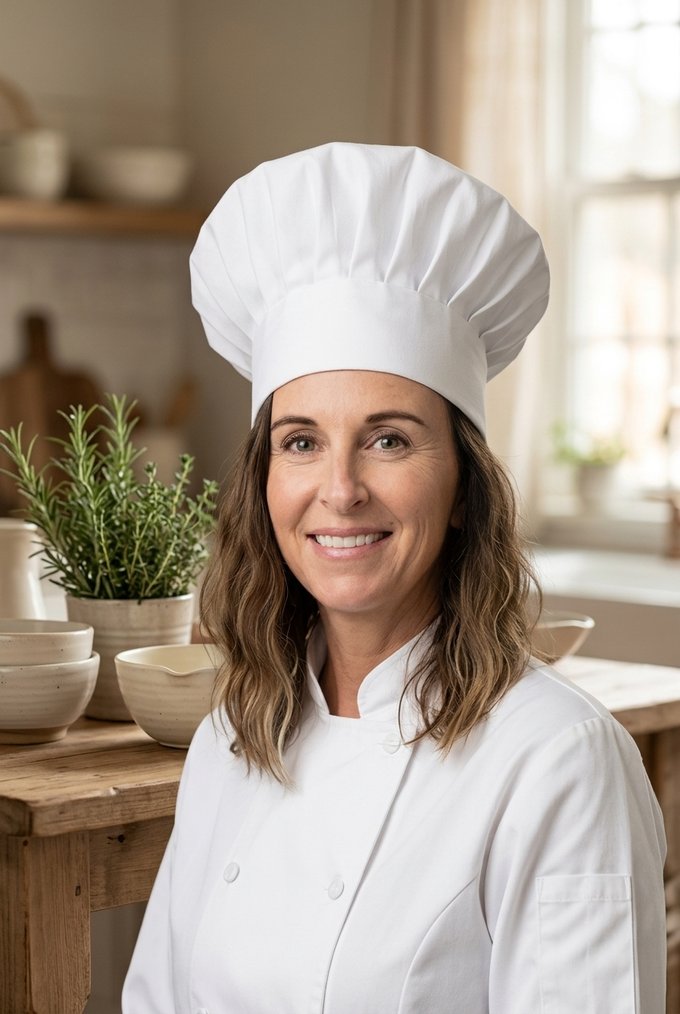
Emily is a chef, mother of five and postpartum-recovery educator who revives the 2,000-year-old zuo yuezi ("sitting month") tradition for modern mothers. Her signature, food-first method helps women rebuild after birth and ease postpartum depression — and she now certifies doulas and midwives to cook it for their own clients.
The Sitting Month recovery course delivers these mood-supporting foods in warm, done-for-you meal plans built for the postpartum brain.
See the recovery course