If you’ve ever found yourself hiding in the pantry at 4 PM eating chocolate chips out of the bag while listening to three kids argue over a single blue crayon, you are my kind of people. Let’s talk about why your frayed nerves might be crying out for magnesium foods for anxiety.
If you are raising children, your nervous system is essentially running a marathon every single day while juggling flaming bowling pins. Between the toddler meltdowns, the school forms you forgot to sign, and the general hum of relentless mental load, it is no wonder so many of us feel a constant, low-grade buzzing in our chests. We call it being a mom, but biologically speaking, we are often running on empty.
When looking for gentle, everyday ways to support our frayed edges, nutritional psychiatry points us toward one superstar mineral: magnesium. Specifically, leaning into magnesium foods for anxiety can be a game-changer for reclaiming a little bit of inner peace. It is not a magic wand that will make your teenagers clean their rooms, but it *will* help soothe the hyper-reactive stress circuits in your brain so you can handle the chaos with slightly more grace.
If you want to go deeper on the science, I keep a plain-English library here: Best Foods and Vitamin D.
Let's get nerdy for just a second because understanding *why* a food helps makes eating it so much more satisfying. Magnesium is often referred to as the body's natural valium. It acts as a gatekeeper for your nervous system, specifically by regulating NMDA receptors in the brain, which are involved in excitatory nerve signaling. When you don't have enough magnesium floating around, those receptors can get a little trigger-happy, leaving you feeling wired, anxious, and deeply sensitive to sensory overload (like the sound of plastic toys clicking or someone chewing too loudly).
Furthermore, chronic stress and lack of sleep—two things that come standard with having five kids, trust me, I know—actually deplete our magnesium stores. It creates a vicious cycle: stress burns through magnesium, and low magnesium makes us more susceptible to stress and terrible sleep. Breaking that cycle with real, nourishing food is one of the kindest things we can do for our postpartum and mothering bodies.
Keep a small jar of roasted pumpkin seeds right next to your coffee maker. When you’re standing there waiting for the brew, pop a small handful into your mouth—it’s an easy micro-habit to feed your nervous system.
Let’s be honest: nobody with a house full of children has the time or the mental bandwidth to chop celery into decorative swans or stand over a stove stirring a reduction. As The Postpartum Chef, my kitchen philosophy is rooted in survival, simplicity, and deep nourishment. Here are my favorite, zero-fuss ways to get more magnesium into your day without adding a single chore to your to-do list.
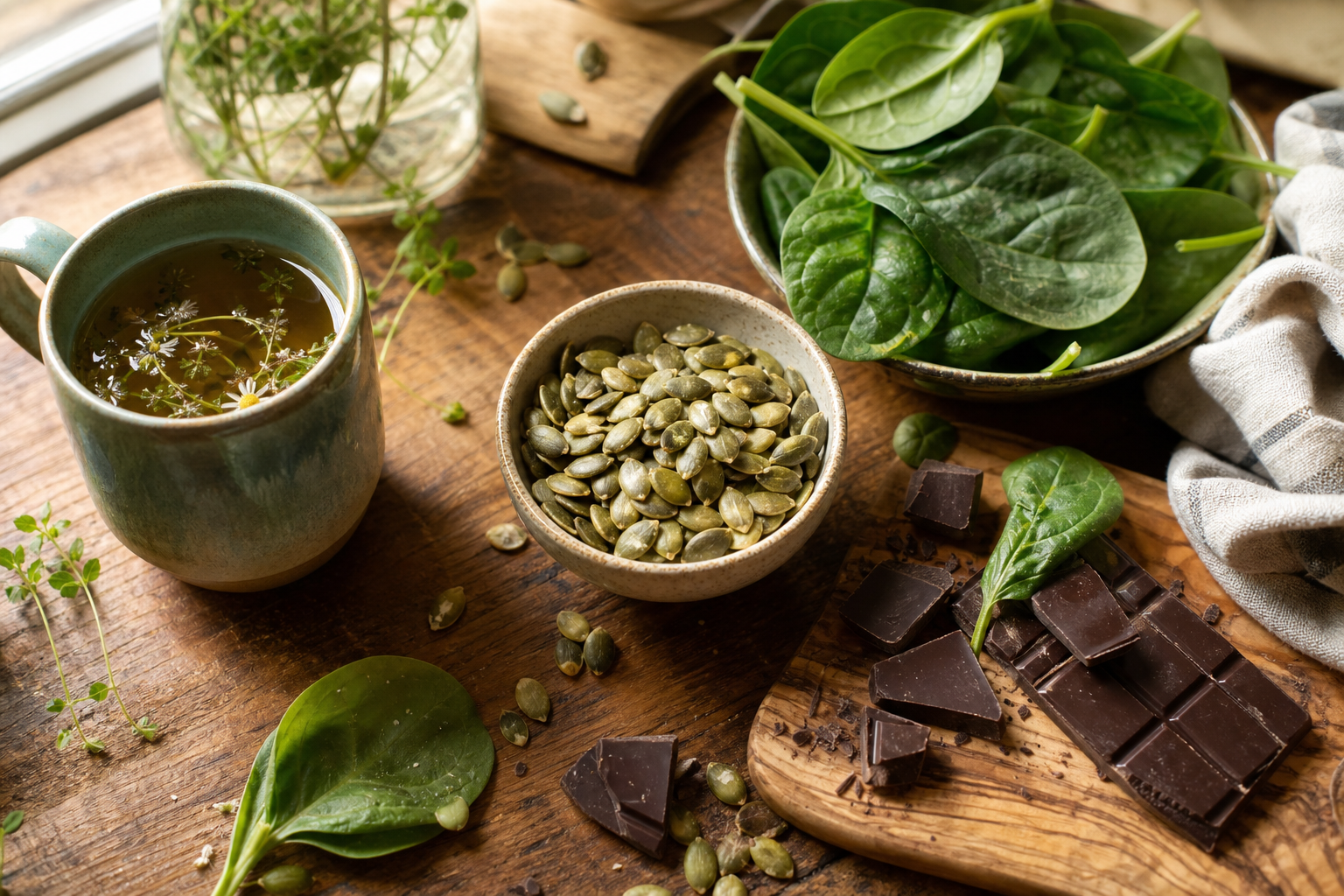
Pumpkin seeds (pepitas) are absolute gold mines for this mineral. Just one ounce gives you a massive chunk of your daily needs. I keep a bag in my glove compartment, one in my desk, and one hidden behind the oatmeal so the kids don't eat them all. Toss them on salads, eat them raw by the handful, or buy them lightly salted and roasted for a crunchy afternoon savior.
Dark leafy greens are another heavy hitter. Now, I know telling a busy mom to whip up a kale salad sounds like a cruel joke. Instead, think about stealth nutrition. Throw a handful of baby spinach into your morning smoothie (you won't even taste it) or stir a mountain of greens into a pot of simmering soup or pasta sauce at the end of cooking where they instantly wilt down into delicious nothingness.
If you thought I was going to write a post about calming foods and leave out chocolate, you clearly do not know me at all. Good quality dark chocolate—70 percent cacao or higher—is surprisingly rich in magnesium. It is nature's ultimate peace offering to mothers. Eating a square or two of dark chocolate in the afternoon isn't just a guilty pleasure; it is a legitimate nervous system ritual. The combination of minerals, the sensory pleasure of rich food, and a moment of quiet pause works wonders.
Beans and lentils are another humble powerhouse. While cooking dried beans from scratch is a weekend project reserved for saints and homesteaders, canned black beans or chickpeas are a busy mom's best friend. Rinse a can of black beans, toss them with some olive oil, lime juice, and salt, and eat them with tortilla chips while standing over the kitchen sink. It’s grounding, earthy, and packed with the calm-inducing minerals your brain is begging for.
Food is a powerful tool, but let's keep things grounded in reality. Changing what you snack on will support your neurotransmitters, help you sleep a little deeper, and give your cells the raw materials they need to cope with stress. But food is not a cure-all, and it is certainly not a replacement for medical care.
If you are navigating postpartum anxiety, depression, or a general heaviness that sleep and snacks simply cannot touch, please remember that asking for help is an act of fierce motherhood. Persistent anxiety, panic attacks, or feelings of despair deserve the support of a healthcare professional or a licensed maternal mental health counselor. You deserve to feel well, and you don’t have to white-knuckle your way through the postpartum season alone. Nourish your body, feed your soul, and give yourself the grace you so freely hand out to everyone else.
This is exactly the kind of warm, mood-supporting cooking I built into The Sitting Month recovery course — done-for-you meal plans for the fourth trimester, so a new mom never has to figure it out at 3am.
Magnesium plays a vital role in regulating neurotransmitters and calming the nervous system. When we are chronically stressed or lacking sleep—hello, motherhood—our bodies burn through magnesium faster, leaving us feeling jittery, wired, and exhausted. Incorporating magnesium-rich foods helps support natural relaxation without any heavy sedatives.
Look for raw or roasted pumpkin seeds (pepitas), dark chocolate (70% cacao or higher), leafy greens like spinach and Swiss chard, black beans, almonds, and avocados. Many of these require zero prep, making them perfect for busy moms.
While food is a wonderful foundation for nutritional support, postpartum anxiety and depression are complex. If your symptoms feel persistent, overwhelming, or interfere with daily life, please reach out to a healthcare professional or maternal mental health specialist. You don't have to carry it all alone.
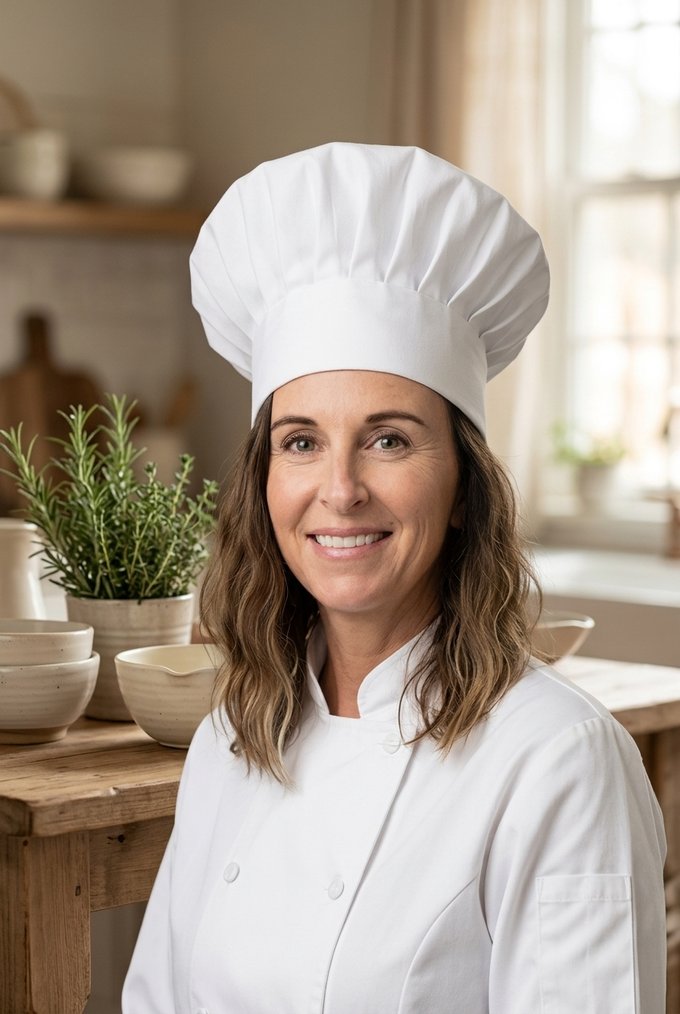
Emily is a chef, mother of five and postpartum-recovery educator who revives the 2,000-year-old zuo yuezi ("sitting month") tradition for modern mothers. Her signature, food-first method helps women rebuild after birth and ease postpartum depression — and she now certifies doulas and midwives to cook it for their own clients.
The Sitting Month recovery course delivers these mood-supporting foods in warm, done-for-you meal plans built for the postpartum brain.
See the recovery course